Buying Guide
How to Vet a Film Cutting Machine Supplier Before You Wire the Deposit
Every supplier's brochure looks the same: similar machines, similar specs, similar promises. The price is 20% lower and the deposit is "refundable". Before you wire it, here are the ten checks that tell you whether you are buying from a manufacturer — or from a middleman with a good website.
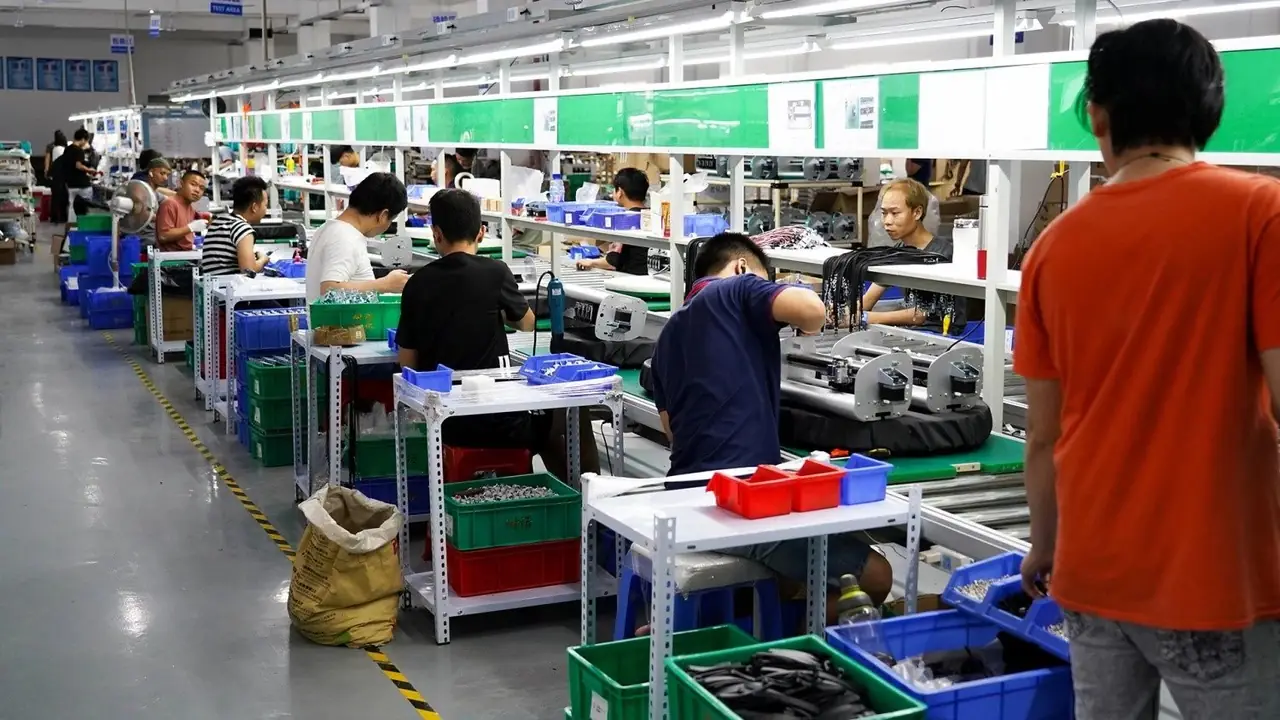
The first question is not "how much" but "who builds this". Ask for a live video walk-through of the production floor — not a polished promo clip. A real manufacturer will show you SMT lines, assembly stations and a testing area without hesitation, and can usually schedule the call within a week. A trading company will delay, offer stock footage, or switch the topic to price. If the order is large enough, visit in person: any serious manufacturer will help with the invitation letter and itinerary.
For on-demand film cutting, the hardware is only half the product — the cloud template library is where machines quietly win or lose. Ask three questions: how many device models are covered, how quickly new devices are added after launch, and who maintains the database. Then make it concrete: request a remote demo where the supplier cuts a film for a device you name. If they cannot find your model in front of you, your customers will not find it either.
CE, RoHS and ISO marks appear on every quote — what matters is whether they are real. Ask for certificate numbers and issuing bodies, then verify them on the issuer's public database. Also confirm the details that customs and distributors actually care about: voltage options, plug types and labeling for your destination market. A manufacturer handles these daily; a reseller often discovers the problem after your goods have shipped.
Blades are consumables, and their lifetime cost can exceed the machine's. Before signing, get written answers to: expected blade life, replacement price, local availability and shipping time for spare parts. Then ask about the service itself — support hours in your time zone, typical response time, and whether software and firmware updates are included for free. A supplier who hesitates on any of these is telling you what after-sales will feel like later.
If you plan to build your own brand, probe the real scope of OEM capability. Some factories only swap the logo; genuine partners can customize the machine's appearance, software interface, startup screen, packaging and even cutting parameters for your market's materials. Ask for past OEM cases and, if possible, photos of the customization process. The difference between a sticker and a program becomes obvious in the first conversation.
Standard terms exist for a reason: a T/T deposit with the balance before shipment, a pre-shipment video inspection (or third-party inspection for large orders), and a written warranty that states exactly what is covered — mainboard, motors, cutting head — for how long, and who pays freight on a replacement part. Get all of it in writing. Verbal promises do not survive contact with a freight forwarder.
① Live video factory tour agreed without excuses · ② Certificate numbers you can verify yourself · ③ Demo cut on a device model you choose · ④ Template update policy in writing · ⑤ Blade life and price in writing · ⑥ Spare-parts lead time confirmed · ⑦ Warranty scope covering mainboard and motors · ⑧ Software updates included for free · ⑨ OEM customization scope made explicit · ⑩ Reference customers in your own market.
Run a supplier through this list and the picture becomes clear fast. Manufacturers pass it without drama; middlemen start negotiating on which items to skip. And if a supplier fails the checklist but the discount looks tempting — remember that the deposit is the cheapest part of the mistake. The real cost is a season of downtime, an unsupported machine, and customers who bought their last film from someone else.
Related: Inside Purcell's OEM Partnership Programme
← Back to News