Tips & Advice
Smartphone Heat Dissipation Myths: Does a Full-Body Back Film Cause Overheating?
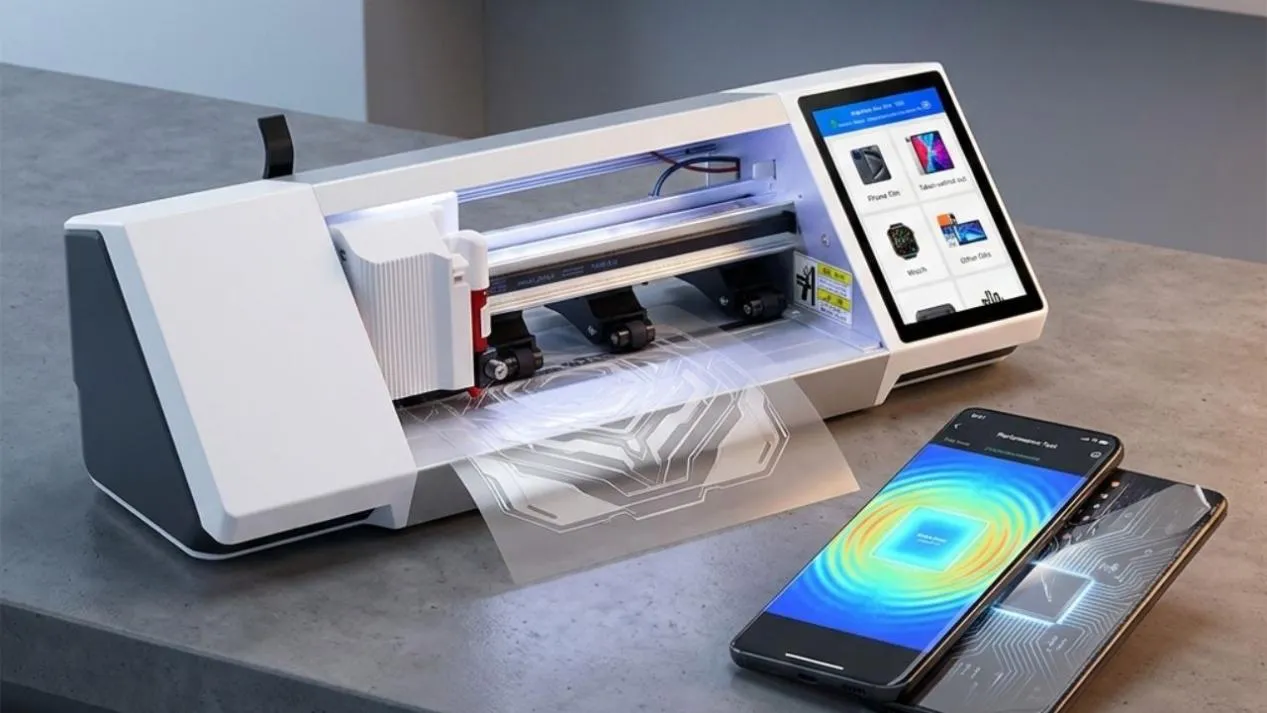
Does a thin back film really cause your phone to overheat and throttle performance? We separate the myths from the physics.
While naked phones theoretically dissipate heat faster, modern smartphone thermal management is complex. Heat travels from the CPU through vapour chambers and graphite sheets to the frame and back panel.
Most premium back films measure only 0.1mm to 0.2mm thick. At such a microscopic thickness, the thermal resistance added by a film is negligible. High-quality back films allow significantly better thermal exchange than thick protective cases.
A counterintuitive phenomenon: phones feeling warm indicates the cooling system is functioning properly. When heat reaches the film surface, thermal energy successfully escapes internal components. The real concern is a cool-feeling phone that lags internally — indicating trapped heat, not a film problem.
Poor fitment causes overheating issues, not film material itself. Misaligned films can block ventilation gaps or interfere with thermal sensors, triggering performance throttling. This is why precision cutting matters even for back films — the Purcell H310 Pro achieves ±0.1mm accuracy to ensure perfect architectural fits without obstructing cooling zones.
Testing reveals temperature differences between naked phones and those with quality TPU films typically measure less than 1 to 2 degrees Celsius. Since chipsets throttle around 80–90°C internally, thin precision-cut films cannot push phones over that threshold under normal conditions.
Back films do not cause performance drops. Protection benefits substantially outweigh negligible thermal impacts when proper cutting precision is maintained.
← Back to News